
Virginia Rider’s Pursuit
Five Days at MemorialVirginia Rider’s pursuit of evidence becomes an increasingly personal struggle against institutional and political obstacles.
increasing Bearing strength in each event
 decreasing
Bearing strength in each eventdecreasingThe Investigator’s Calling

The Investigator’s Calling
A Search for Wrongdoing
Virginia Rider had built her career investigating fraud and harm to vulnerable people. She valued careful fact-gathering and public service.
A New Kind of Case
The hospital deaths were unlike the financial investigations she knew. They required medical, ethical, and forensic judgments as well as legal ones.
A Partnership Forms
A Partnership Forms
Working with Schafer
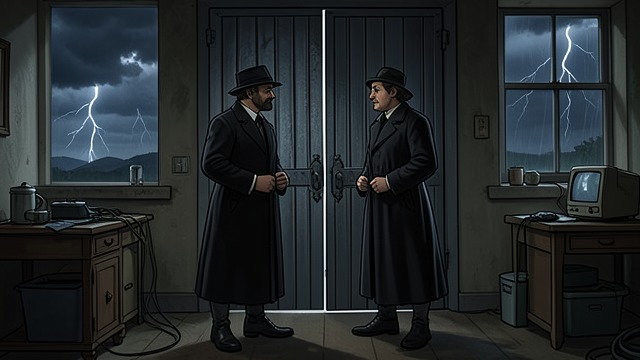
Rider partnered with Butch Schafer to investigate claims that patients had received lethal injections. They interviewed witnesses, assembled records, and searched Memorial under warrant.
Shared Purpose
Their strengths complemented one another: Rider’s painstaking organization and Schafer’s courtroom experience. The investigation became a consuming joint effort.
Evidence and Conviction

Evidence and Conviction
A Case Built Carefully
Toxicology results, prescriptions, witness statements, and expert opinions persuaded Rider that crimes had occurred. She worked to identify the nurses and reconstruct the sequence of events.
Emotional Investment
The families’ losses and the evidence made it difficult for Rider to remain detached. Her belief that justice should prevail grew alongside the complexity of the case.
The Grand Jury Disappointment
The Grand Jury Disappointment
A No-Bill
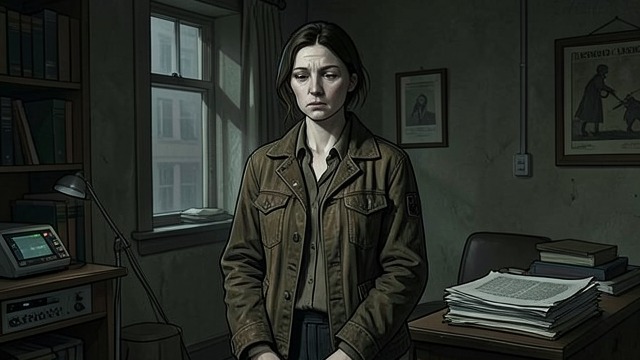
The grand jury declined to indict Anna Pou. Rider believed important evidence and witnesses had not been presented, and she was devastated by the outcome.
Faith in Justice Shaken
The case challenged Rider’s belief that thorough work would lead to a just result. She began looking for other work rather than remaining in an investigation whose outcome she could not control.
A Changed Perspective
A Changed Perspective
Personal Precautions
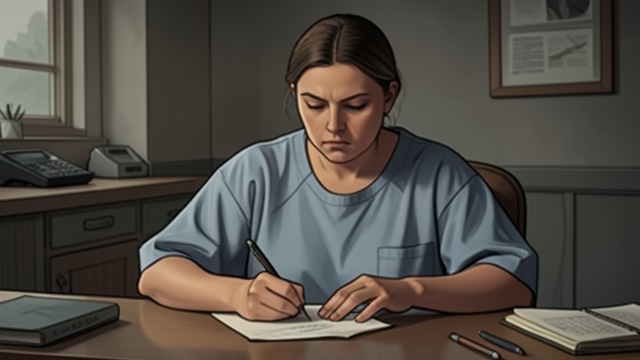
The case led Rider to write detailed advance directives about life support and pain medication. She wanted her own wishes to be clear if she ever became unable to speak.
Lessons for the Public
She believed the patients’ stories mattered even without a conviction. Public understanding, she felt, was necessary for people to make informed choices about care and trust.
Before September 2005
September–October 2005
October 2005–July 2006
July 24, 2007
After the investigation
